Scroll to Fame: How Social Media Personalities Are Rewriting the Rules of Custom Bike Recognition
There was a time when a builder's reputation traveled by word of mouth — through swap meets, rally parking lots, and the occasional magazine spread. If your work was exceptional, the right people eventually found out. It was slow, imperfect, and deeply human. Today, a single YouTube feature or an Instagram reel that catches the algorithm on a good day can do more for a builder's visibility than a decade of flawless craftsmanship. Whether that's progress or a problem depends entirely on who you ask.
The New Tastemakers Don't Necessarily Ride
Here's the uncomfortable truth that a lot of veteran builders are sitting with right now: some of the most influential voices in custom motorcycle culture have never cut a frame or fabbed a fender. What they have done is figured out how to make content that people actually watch — good lighting, tight edits, engaging narration, and a posting schedule that the algorithm rewards.
Channels with hundreds of thousands of subscribers can make a relatively unknown builder famous overnight. One solid feature video, shared at the right moment, can flood a builder's DMs with commission inquiries from across the country. That's real. That's tangible. And for a lot of younger builders trying to get their names out there, it's the most direct path available.
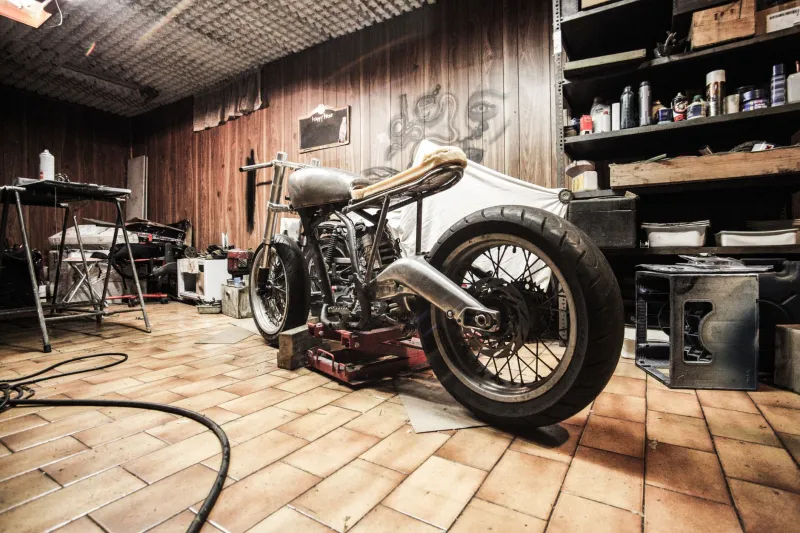
But the flip side is just as real. Builders who don't photograph well, who work in cluttered shops, who aren't comfortable on camera — they can produce work that would stop anyone in their tracks at a show, and still remain completely invisible to the broader community because the content just isn't there.
Two Builders, Two Very Different Experiences
Take someone like Marcus Webb, a fabricator out of Knoxville, Tennessee, who's been building stripped-down trackers and café racers for going on twelve years. Webb's work is meticulous — the kind of stuff that gets passed around in private collector circles and draws long stares at regional shows. But he's got maybe four thousand Instagram followers and hasn't appeared in a major YouTube feature. By the metrics that apparently matter now, he barely exists.
"I've had people come to my shop who saw my bike parked outside and spent an hour looking it over," Webb says. "Then they ask me how many followers I have and seem almost confused when I tell them. Like that changes what they're looking at."
Contrast that with someone like Diego Reyes, a builder out of Phoenix who started posting build videos two years ago and now sits at just under 200,000 YouTube subscribers. Reyes is genuinely talented — that part matters — but he'll be the first to tell you that the camera work and the storytelling are what got him there. He's booked solid for the next eighteen months.
"I spent as much time learning how to shoot and edit as I did learning how to weld," Reyes admits. "That's just the reality of the business right now. The bike has to be good, but if nobody sees it, it doesn't matter how good it is."
When the Algorithm Becomes the Art Director
One of the more subtle shifts happening in the custom world is the way content demands are starting to shape the builds themselves. Certain styles photograph better. Certain color combinations pop on a phone screen. Dramatic before-and-after transformations generate more engagement than slow, methodical refinements to a nearly finished machine.
Some builders have quietly started making decisions — about paint choices, about reveal timing, about which details to highlight — based on what will perform online rather than what best serves the bike. It's a small compromise at first. Then it isn't so small.
"I caught myself thinking about the thumbnail before I was done with the tank," one builder who asked to remain anonymous told us. "That was a wake-up call. I had to step back and ask myself who I was building for."
This isn't a condemnation of anyone. The economics are real. Visibility drives commissions, commissions pay the bills, and the bills keep the shop open. But it's worth naming what's happening: the content layer is starting to influence the creation layer, and that's a meaningful change in how custom culture evolves.
The Established Voices Aren't Going Quietly
Some of the builders and industry figures who built their reputations before social media took over aren't exactly thrilled about the new order — and they're not staying quiet about it.
"I've been doing this for twenty-five years," says one well-known builder from the Midwest who's shown at major events across the country. "I've got bikes in private collections that most of these influencer audiences will never even see a photo of. And somehow I'm supposed to care that a kid with a ring light and a decent camera has more reach than I do? I don't know what to do with that."
There's a real generational friction here that the custom community hasn't fully worked through. The old guard earned credibility through peer recognition — other builders, show judges, collectors. The new generation earns it through audience size and engagement rates. Neither group fully trusts the other's measuring stick, and that tension shows up at events, in comment sections, and in conversations that happen well away from any microphone.
Does Any of This Actually Change the Bikes?
Maybe the most important question is whether all of this noise at the visibility layer actually changes what gets built. The honest answer is: somewhat, yes — but not entirely.
The fundamentals still hold. A bad welder with great lighting is still a bad welder. A builder who doesn't understand geometry is going to produce a bike that handles poorly no matter how many people watch the build video. The craft itself hasn't changed, and the riders who care most about that craft can still find the work that deserves their attention.
What has changed is the on-ramp. Getting discovered used to require physical presence — you had to be somewhere, show something, meet someone. Now it requires a different kind of presence, one that's more accessible in some ways and more demanding in others. A builder in rural Montana can reach an audience in Miami if the content is right. That's genuinely new, and it's not nothing.
The Culture Finds a Way
Custom motorcycle culture has survived a lot of attempted takeovers — corporate sponsorship waves, reality TV phases, trend cycles that burned bright and faded fast. It's still here because the people who care most about the actual riding and building tend to be pretty stubborn about holding onto what matters.
Social media isn't going to destroy the culture. But it is reshaping who gets seen, who gets paid, and whose version of the craft gets treated as the standard. That's worth paying attention to — not with alarm, but with clear eyes.
The builders who are going to come out of this moment with their integrity intact are the ones who figure out how to use the tools without letting the tools use them. A few of them are already doing exactly that. You might not have heard of them yet. But give it time.