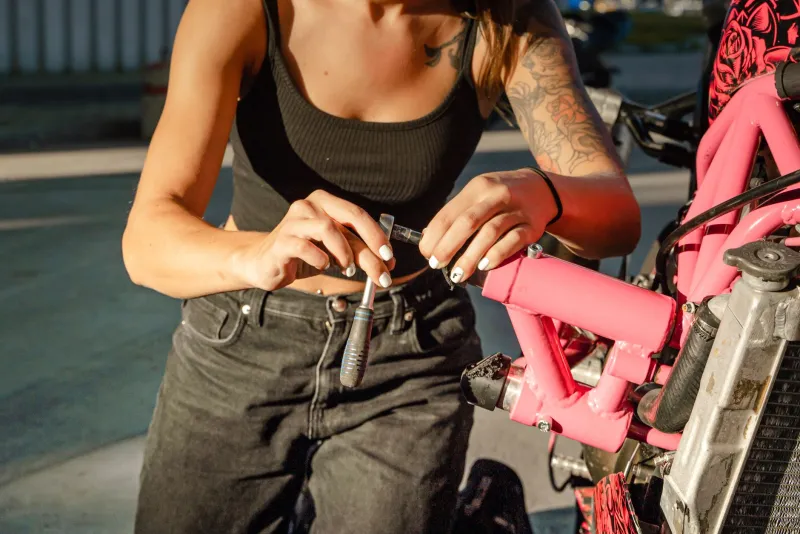
Earned, Not Assigned: How Custom Builders Actually Climb the Respect Ladder
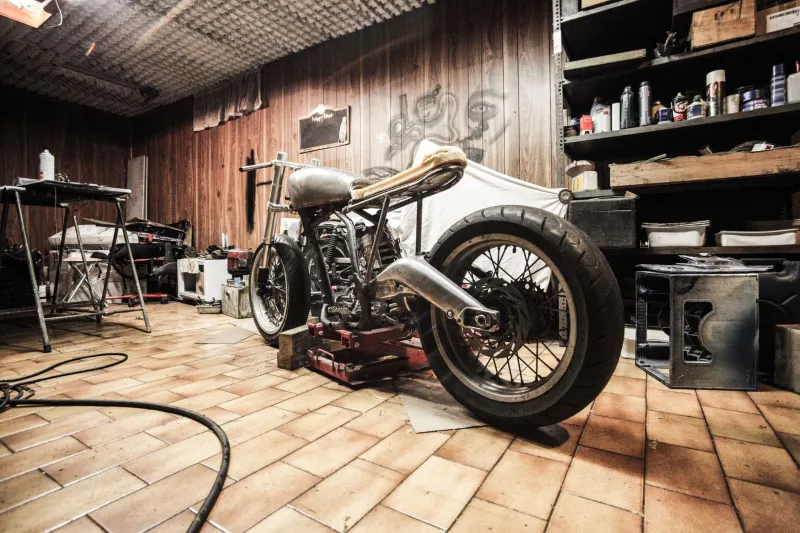
Ask any serious builder who the most respected names in the custom motorcycle world are, and you'll get answers fast. Ask them why those names carry so much weight, and the conversation gets complicated real quick. Nobody hands out credibility in this culture. There's no certification, no official ranking, no governing body deciding who deserves a seat at the table. And yet, walk into any major gathering — Sturgis, Mama Tried, the One Moto Show — and the pecking order is immediately, unmistakably obvious.
So how does it actually work? And why do some builders spend decades grinding away without ever cracking the inner circle, while others seem to earn nods of respect almost overnight?
The Old Guard Didn't Ask for the Title
The builders who occupy the top tier of custom motorcycle culture — guys like Shinya Kimura, Paul Cox, or the late great Indian Larry — didn't engineer their reputations through marketing campaigns. They built bikes. Consistently. For years. And the bikes were good in a way that other builders recognized immediately, even when the general public hadn't caught on yet.
That peer recognition is the foundation of everything. Before the magazine covers, before the documentary features, before the Instagram accounts with six-figure follower counts, there was a smaller, tighter community of people who understood the work. When those people started talking about a builder with genuine admiration, that was the seed of a real reputation.
The old guard earned their status through a combination of technical mastery, a coherent visual language, and — maybe most importantly — consistency over time. Anyone can build one great bike. Building ten bikes that each push your craft forward while staying true to a recognizable style? That's a different level of commitment entirely.
What Newcomers Usually Get Wrong
The most common mistake newer builders make is confusing visibility with credibility. Social media has made it genuinely possible to rack up thousands of followers and generate real buzz around a single build. That's not nothing — exposure matters, and the business realities of running a custom shop mean you can't completely ignore the algorithm.
But the community notices when a builder's online presence outpaces their actual output. If your feed is full of dramatic shop photos, moody lighting, and cryptic captions about your "vision" — but you've only completed two full builds in three years — the people who matter aren't impressed. They're skeptical.
The builders who are genuinely climbing the ladder right now are the ones doing the opposite: putting their heads down, finishing bikes, showing up at events without making it a whole production, and letting the work speak. There's a humility to that approach that the old guard respects deeply, because it mirrors exactly how most of them came up.
Community Contribution Is Currency
Here's something that doesn't get talked about enough: the builders with the deepest respect in this culture aren't just great craftsmen — they're generous ones. They answer questions at shows. They share knowledge with younger builders who are clearly serious about learning. They show up to support other people's events, not just their own.
That kind of community investment pays dividends that no advertising budget can replicate. When a respected builder publicly acknowledges your work, mentions your name to a potential client, or simply treats you like a peer instead of a competitor, it shifts your standing in ways that are hard to quantify but impossible to ignore.
Conversely, builders who hoard knowledge, talk down to newcomers, or treat every interaction as a transaction tend to hit a ceiling pretty quickly — no matter how talented they are. The custom motorcycle world is smaller than it looks from the outside. Word travels.
The Parts Network and Why Reputation Unlocks Doors
There's a very practical dimension to all of this that doesn't get discussed openly: parts access. The best suppliers, the vintage dealers with the good stuff, the fabricators who do exceptional one-off work — these people have limited capacity and they're selective about who they work with.
A builder with a strong reputation gets calls returned. They get first look at rare components. They get the kind of informal referrals that fill a build calendar without a single dollar spent on marketing. A builder who's known for burning bridges, cutting corners, or not delivering on their word? They find themselves locked out of those networks in ways that genuinely limit what they can build.
This is why reputation in custom motorcycle culture isn't just about ego or status — it has direct, measurable consequences for a builder's ability to do the work they want to do, at the level they want to do it.
The Dream Client Problem
Landing a dream client — someone with a real budget, genuine taste, and the patience to let a builder do their best work — is something most builders in the industry are quietly chasing. And those clients do their homework. They talk to other builders. They talk to people in the community. They look at a builder's full body of work, not just the highlight reel.
A builder with a spotty reputation for communication, missed deadlines, or builds that look great in photos but fall apart under real riding conditions will lose those opportunities before they even know they were in the running. The custom motorcycle world has a long memory, and the community's informal vetting process is more thorough than most clients realize.
Respect Takes Time, and That's the Point
The uncomfortable truth for anyone looking to fast-track their way to the top of the custom motorcycle hierarchy is that there isn't a shortcut that actually works. The reputation that opens real doors — the kind that gets you invited to the right events, connects you with the right clients, and earns you genuine acknowledgment from builders you admire — is built slowly.
It's built through bikes that hold up not just aesthetically but mechanically. Through commitments kept. Through knowledge shared freely. Through showing up, consistently, even when nobody's watching.
The builders at the top of this culture didn't get there by chasing respect. They got there by doing work that made respect inevitable. That's the unwritten rule that governs everything — and once you understand it, the whole hierarchy starts to make a lot more sense.