Picking Your Foundation: The Donor Bike Decisions That Make or Break a Custom Build
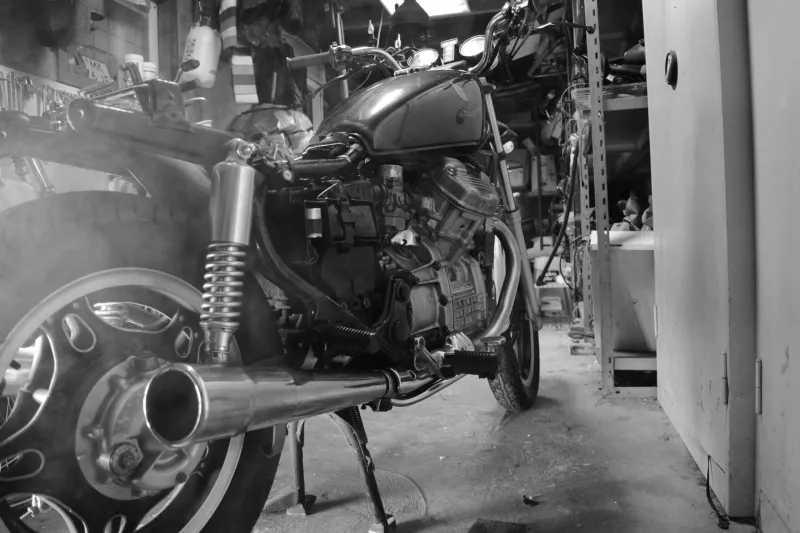
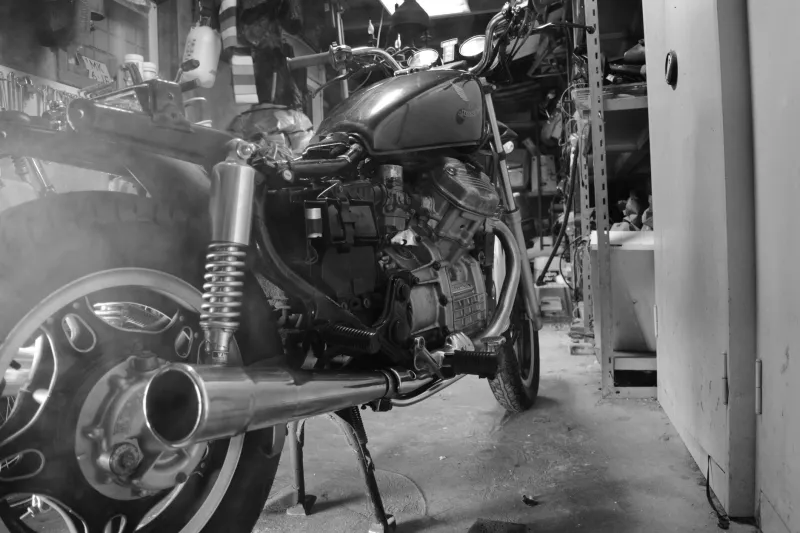
Every great custom motorcycle starts with a decision that most people underestimate. Before the paint scheme gets sketched out, before the first aftermarket part gets ordered, before a single bolt comes loose — there's the donor bike. Get this part right, and the rest of the build has a fighting chance. Get it wrong, and you'll spend the next two years throwing good money after bad, wondering why your dream machine feels more like a financial sinkhole.
We've talked to builders across the country, from one-car-garage hobbyists in rural Tennessee to full-time custom shops in Portland and Austin, and the message is consistent: the platform matters more than almost anything else. Here's what separates a smart pick from an expensive mistake.
Frame Geometry Is Your First Conversation
Before you fall in love with a bike's look or get seduced by a low asking price, the frame needs to tell you something. Geometry dictates everything — rake, trail, wheelbase, and how the bike will ultimately handle once it's been modified. A stock frame that already leans toward the aesthetic you're chasing is a gift. One that fights your vision at every turn is a sentence.
Harley-Davidson Sportsters, for example, have been go-to donor bikes for tracker and café builds for decades — not just because of brand cachet, but because the frame geometry translates well to those styles without requiring major surgery. The CB series from Honda occupies a similar sweet spot for café racer builds. These platforms have geometry that plays nice with common modifications, and that's not an accident — it's why they've become industry favorites.
Contrast that with some late-model cruisers that look appealing on paper but carry extreme rake angles baked into the factory design. Trying to dial those back for a cleaner, more aggressive stance means cutting and re-welding, which opens up a whole new world of structural certification headaches. Suddenly your "budget" build has a custom fab bill that rivals the cost of a new bike.
Aftermarket Support: The Quiet Dealbreaker
Here's something first-timers rarely think about until they're three months into a build and staring at a discontinued part: aftermarket ecosystem support is everything. Popular donor platforms come with rich catalogs of bolt-on components, fabricated subframes, seat pans, tank options, and suspension upgrades. Less popular platforms leave you fabricating from scratch — which is either a feature or a bug depending on your skill level and budget.
The Kawasaki W800, for instance, is a gorgeous vintage-inspired platform with real bones for a custom build. But try sourcing bolt-on café racer components for one compared to a Honda CB750, and you'll feel the difference immediately. One has a global cottage industry built around it. The other has you calling specialty fabricators and waiting six weeks for a custom part.
Seasoned builders always check the forums before they check the Craigslist listing. If a platform has an active community — dedicated Facebook groups, active subreddits, specialty vendors — that's a green flag. If the owner's manual is the most detailed document you can find online, recalibrate your expectations accordingly.
Weight Distribution and the Hidden Physics Problem
Custom builds live and die by how they feel in motion, and weight distribution is the invisible hand guiding all of that. A donor bike that starts life with a balanced, neutral weight bias gives you room to add, subtract, and reposition components without turning the finished product into a handling nightmare.
This is where a lot of bobber and chopper builds go sideways — literally. Extending a front end dramatically, relocating a battery, swapping to a heavier engine, or repositioning the fuel cell all shift weight around in ways that compound quickly. Builders who understand this plan their donor selection around where they want the weight to end up, not just where it starts.
One Texas-based builder we spoke with described spending nearly $4,000 correcting handling issues on a chopper build that stemmed entirely from starting with a donor bike that had too much weight bias toward the rear. "I picked it because the frame was clean and the price was right," he said. "I didn't think hard enough about where I was moving everything else. By the time I was done 'fixing' it, I could've bought a better starting point twice over."
Spotting Structural Issues Before You're Committed
This one's painful because it happens constantly: someone buys a donor bike, strips it down to the frame, and finds cracks, improper previous welds, or collision damage that wasn't visible under the original bodywork. At that point, you're either walking away from money already spent or committing to a structurally compromised foundation.
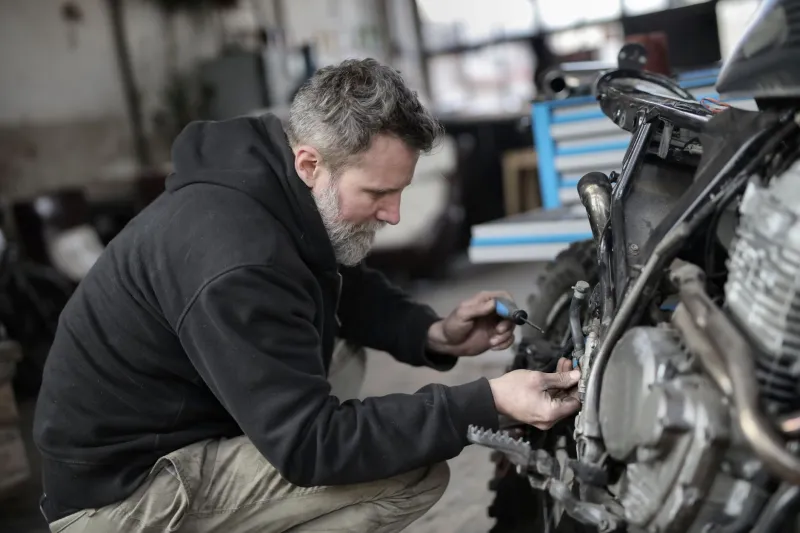
Experienced builders have a pre-purchase inspection ritual. They pull plastics and covers where possible before buying. They run a straight edge along the frame rails. They look at the steering head for stress cracks. They check swing arm pivot points for wear and deformation. They ask pointed questions about the bike's history — has it been dropped, laid down, or involved in any kind of impact?
For higher-dollar builds, some builders will pay a trusted mechanic or fabricator to do a pre-purchase inspection the same way you'd pay for a home inspection before buying a house. Fifty bucks spent up front can save thousands in remediation costs later.
The Platforms That Keep Delivering
Without turning this into a definitive buyer's guide, there are a handful of platforms that come up again and again in conversations with experienced builders for good reason.
The Honda CB series (particularly the CB350, CB450, CB550, and CB750) remains the gold standard for café racer and tracker builds. Abundant supply, robust aftermarket, manageable weight, and frames that respond well to modification.
The Harley-Davidson Sportster is the American default for a reason — enormous parts ecosystem, recognizable silhouette, and a platform that's been customized so extensively that almost every problem has already been solved by someone else.
The Yamaha XS650 punches well above its weight class as a donor, offering twin-cylinder character, solid frame geometry, and a dedicated community that's kept parts flowing for decades.
On the sport bike side, the Suzuki SV650 has earned cult status as a naked and café platform — light, well-balanced, and supported by a passionate owner community.
What First-Timers Miss
Beyond the technical checklist, there's a mindset gap between experienced builders and newcomers that shows up in donor selection. First-timers tend to buy the bike they're emotionally attached to. Experienced builders buy the bike that makes the project achievable.
That doesn't mean you have to abandon your vision — it means you need to be honest about whether your vision and your platform are actually compatible. If the bike you love requires $3,000 in frame modifications before you can even start the fun part, that's a conversation worth having with yourself before you hand over cash.
The best custom builds look effortless because the builder chose a foundation that worked with the concept, not against it. The ones that drag on for years and eat budgets alive almost always trace back to a donor selection that seemed fine at the time.
Choose your foundation like your build depends on it — because it absolutely does.